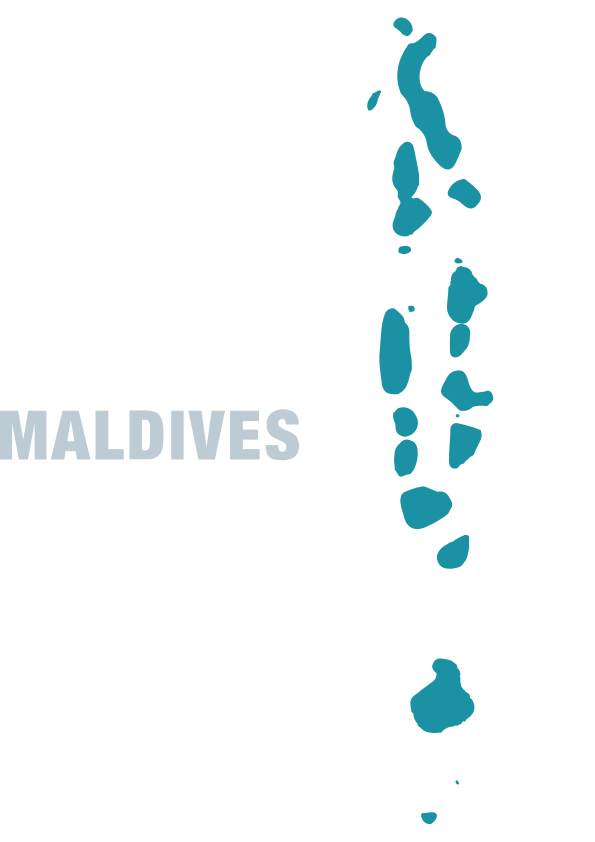
Maldives
- Prevalence of FGM/C: Around 12.9% of women aged 15–49 report having undergone FGM/C, based on the Maldives Demographic and Health Survey (2016–17). Trends indicate a generation-long decline: about 37.5% of women aged 45–49 have undergone FGM/C, compared to just 1% of 15–19-year-olds—and only 1.1% of daughters (0–14 yrs) in the survey were reported to be cut (Orchid Project).
- Types of FGM/C thought to be practised: Type IV reported to be practiced commonly, involving symbolic nicking, pricking, incising, cauterization, or labial manipulation.
- Legal status of FGM/C: No specific national legislation prohibiting FGM/C.
The Maldivian Government had committed to criminalise FGC in 2021 on advice from the United Nations’ Committee on the Elimination of Discrimination against Women. Despite ‘relentless campaigning’ from women’s-rights groups, however, no laws have been enacted to date. No reported cases or official government prosecutions have been recorded. - Relevant policies relating to FGM/C: The Ministry of Gender, Family & Social Services has publicly acknowledged CEDAW recommendations and signaled intent to craft legal protections, though action remains pending.
The Fatwa Majlis, Maldives’s religious advisory body, has not issued any fatwa authoritatively supporting or banning FGM/C, which leaves the official religious stance ambiguous.
Civil society and women’s rights groups—including local CSOs and networks like Uthema, Orchid Project, ARROW, and the Asia Network to End FGM/C—continue sustained advocacy for legal reform and social change - International commitments to end FGM/C:
- The Maldives is a ratified party to CEDAW, and the Committee has repeatedly recommended urgent legislative measures to prohibit FGM/C.
- The country aligns with SDG 5.3, which aims to eliminate harmful practices such as FGM/C by 2030.
- Broader human rights frameworks under CRC, ICPD, and UN Resolutions also call for policy and legal action against FGM/C. Maldives, though not party to the Maputo Protocol (an African regional instrument), remains bound by global UN normative standards.